


Okay, so check this out—
Whoa, seriously, folks?
I started using Phantom for NFTs last year and it stuck.
At first I just wanted a quick way to manage tokens and mint a few collectibles, but my expectations changed as I dug into permissions, transaction signing, and the tiny UX choices that matter when you’re doing dozens of transfers.
That kind of friction makes daily use less pleasant quickly.
Seriously, it’s wild.
My gut told me to be careful with browser extensions early on.
Initially I thought any wallet extension would do, but then I noticed how Phantom handled token metadata, Solana program interactions, and the way it surfaces transaction fees, and that changed my risk calculus.
It feels fast and smooth for most day-to-day tasks.
Still, you must treat any extension like a gatekeeper; check the origin, read the store listing, and don’t paste your seed phrase into anything that asks.
How I actually install and vet a wallet
Hmm, somethin’ still nagged me.
I used Phantom to receive an NFT drop that required a signed transaction.
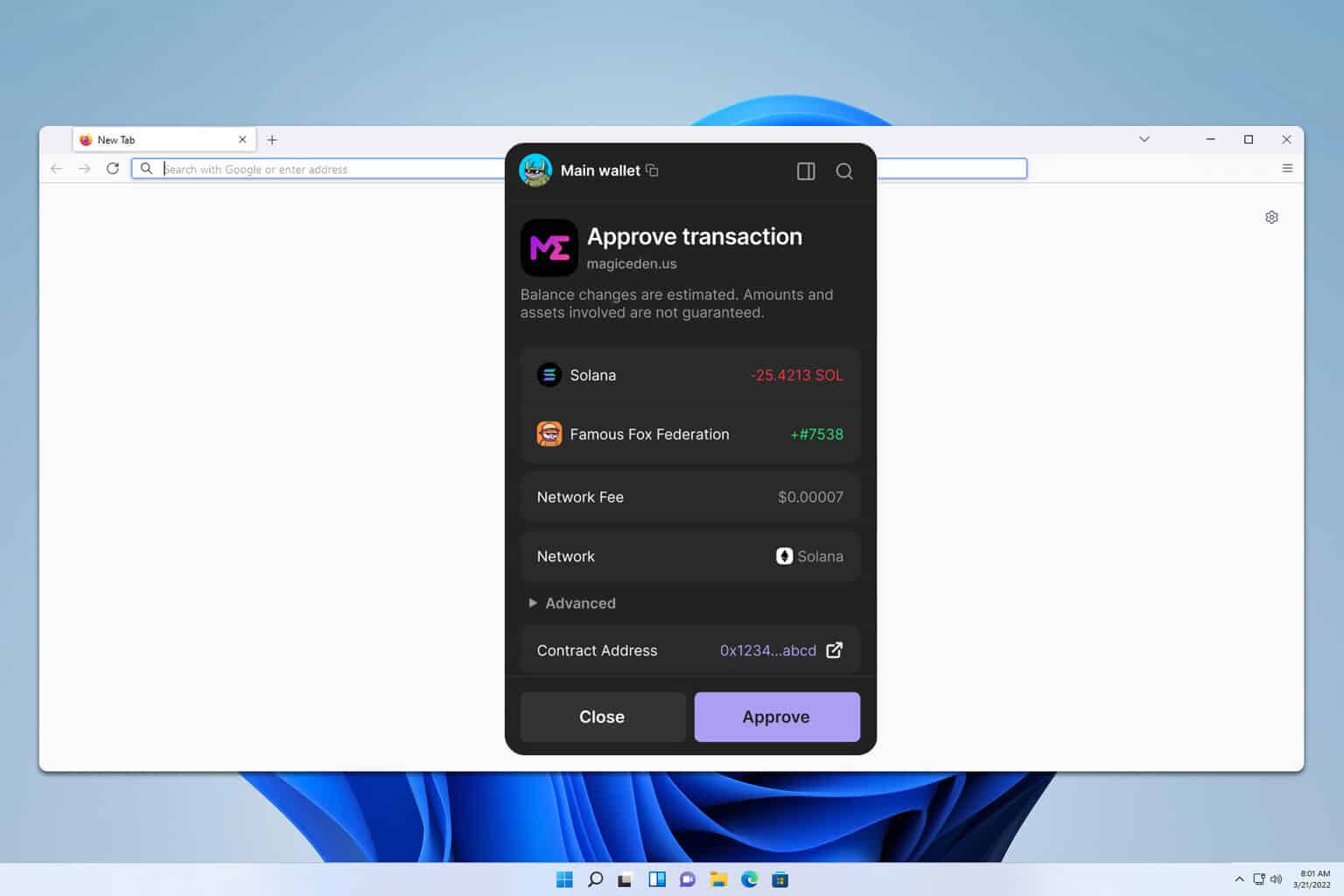
The UI showed the program id and amount before signing, which I liked.
But the moment a site requests more permissions or asks you to connect visible accounts and wallets, you have to pause and reason through what could be happening behind the scenes, because attackers have gotten clever with overlays and fake confirmation flows.
I’m biased, but I believe wallet security should be non-negotiable for collectors.
Really, pay attention.
Here are practical steps I take whenever I set up a new browser wallet extension.
First, install from a trusted store like the Chrome Web Store or the official project website, confirm the publisher name, and check user reviews and install counts rather than relying on screenshots alone, because copycats can look polished.
Next, create a fresh wallet or import if you must, but do it carefully.
Always write down your seed phrase on paper, store it offline in multiple secure places if possible, and never enter that phrase into a website—even on the rare occasion an official support rep asks for it, which they never should.
Whoa, don’t get lax.
Also consider pairing Phantom with a hardware wallet for big holdings.
Permissions matter: when an extension asks to ‘Read and change all your data on the websites you visit’ that can mean it sees form data, but within wallet contexts it also translates to interacting with dapp pages, injecting scripts, and prompting transaction signatures, so think before you grant broad host access.
One more tip: disconnect sites you no longer use.
If you ever suspect a compromise, revoke permissions, reinstall the extension from the store, transfer assets to a safe wallet, and report the incident to the project team while keeping logs and screenshots to help triage the issue.
Download and install
When you’re ready to add Phantom as a browser extension get the official phantom wallet download extension and then verify the publisher and reviews before you click add, because installs and screenshots can be mimicked and somethin’ about fake pages always looks “off” if you look closely.
Okay, so a few practical workflow notes from my day-to-day.
Keep one wallet for small drops and daily use and a separate cold/hardware wallet for long-term storage of high-value NFTs.
Use curated marketplaces and avoid pasting your keys into chat or support forms; human error is how many of these problems start.
I’ll be honest—this part bugs me: people trade convenience for security way too quickly and then wonder why they lost assets.
My instinct says slow down during onboarding; re-check permissions, re-check origins, even re-check the extension icon and publisher.
FAQ
Is Phantom safe for NFTs?
Yes, Phantom is widely used and has good UX for Solana NFTs, but safety depends on you: install from trusted sources, use hardware wallets for large holdings, and never share your seed phrase.
What if the wrong site asks to connect?
Disconnect immediately, revoke permissions if available, and consider reinstalling the extension; keep screenshots and contact the project’s support channels (but never send seed phrases).

Leave a Reply